
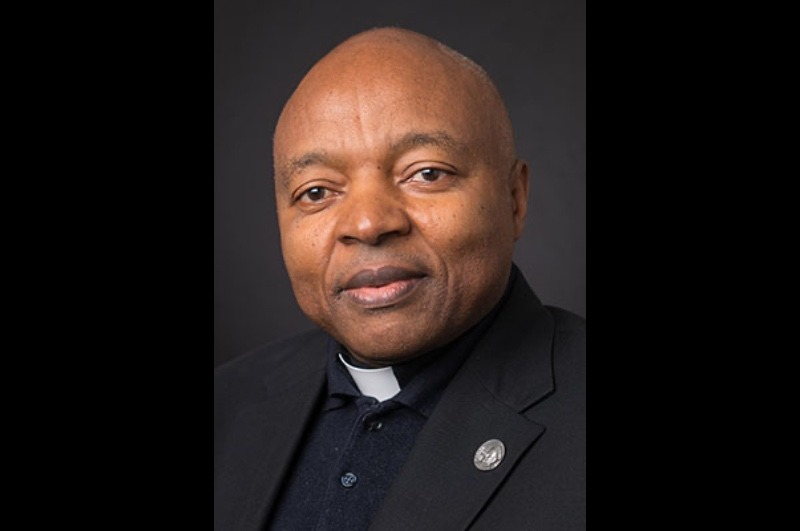
From the pioneer generation of Hekima University College to the universal leadership of the Society of Jesus in Rome, the late Father Fratern Masawe, SJ, dedicated his life to building institutions, establishing new apostolates and preparing the way for generations to come.
When the late Rev. Father Fratern Masawe, SJ, died in Rome on 19 October 2026, aged 70, the Society of Jesus lost not only a devoted missionary and distinguished leader but also a man whose life was marked by a remarkable pioneering spirit. He will be remembered as a missionary, visionary leader, and institution-builder. From his beginnings as the firstborn in a family of nine children in northern Tanzania to his service in the universal leadership of the Society of Jesus, he consistently opened new paths for the Church and the Jesuit mission in Africa.
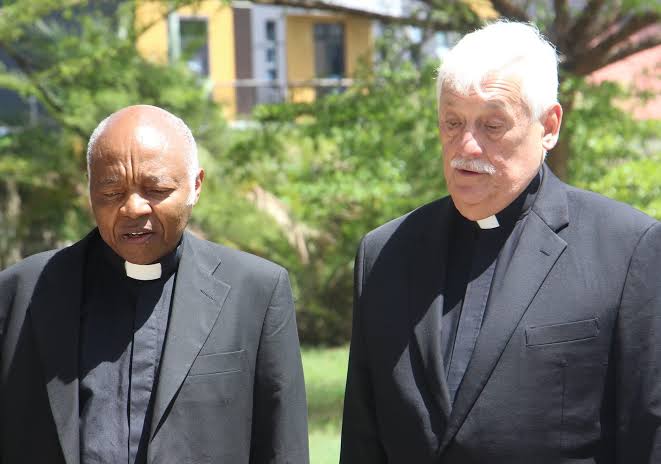
Born on 1 August 1956 in Mkuu, Rombo District, Tanzania, to Michael Kiwese Masawe and Yustina Mtemberi Kavishe, Father Fratern’s life would later reflect this pioneering position through the many firsts that characterised his Jesuit journey. He entered the Society of Jesus on 4 July 1978 in Lusaka, Zambia, and pursued philosophy at Milltown Institute in Dublin, Ireland. After his regency in Dodoma, Tanzania, he joined the pioneer generation of students at Hekima College, Nairobi, in 1984, when the institution opened its doors as Africa’s first Jesuit English-speaking theologate.
Father Fratern’s connection with Hekima remained significant throughout his life as, besides being among its first students, he pronounced his final vows in the Society of Jesus at Hekima on 8 December 19196, after completing his Tertianship in Detroit, United States (1995 to 1996). Years later, as President of the Jesuit Superiors of Africa and Madagascar (JESAM), he championed the establishment of the Hekima Institute of Peace Studies and International Relations (HIPSIR), a postgraduate humanities program currently under the Hekima School of Arts and Sciences, based at Arrupe-Amani Campus on Riara Road, Nairobi, Kenya.
Opening new paths in missionary service
Father Fratern’s pioneering spirit shone through his pastoral and humanitarian ministry. In 1994, he became the inaugural Country Director of the Jesuit Refugee Service (JRS) in Tanzania, serving in Ngara during the refugee crisis following the genocide in Rwanda. His ministry involved difficult journeys to reach displaced communities and collaborate with other religious congregations to meet their needs. Among the initiatives associated with his work was the development of Radio Kwizera, a JRS project established in 1995. The radio station became an important source of information and communication for refugees and surrounding communities, promoting dignity, participation and access to reliable information.
The first African Provincial of Eastern Africa
In February 1998, Father Fratern was appointed Provincial of the Eastern Africa Province by Father General Peter-Hans Kolvenbach, SJ, becoming the first African to hold the position. He served until 2004, prioritizing Jesuit formation, strengthening communities, and expanding apostolic works. During his provincialate, he supported emerging Jesuit missions in Rumbek, Khartoum and Bahir Dar and advanced the vision of establishing a school in northern Uganda. He also helped establish the Padre Arrupe community at Mwangaza in Nairobi, providing retirement and care for ageing Jesuits.
In 2004, he became President of JESAM and served until 2011. His leadership strengthened collaboration among Jesuit provinces and institutions across Africa and Madagascar. He helped establish the Jesuit Conference of Africa and Madagascar (JCAM) headquarters in Karen, Nairobi, and championed the development of peace studies at Hekima. In 2008, he also initiated a committee to explore establishing a Jesuit university serving Africa and Madagascar.
From African Leadership to the Universal Society
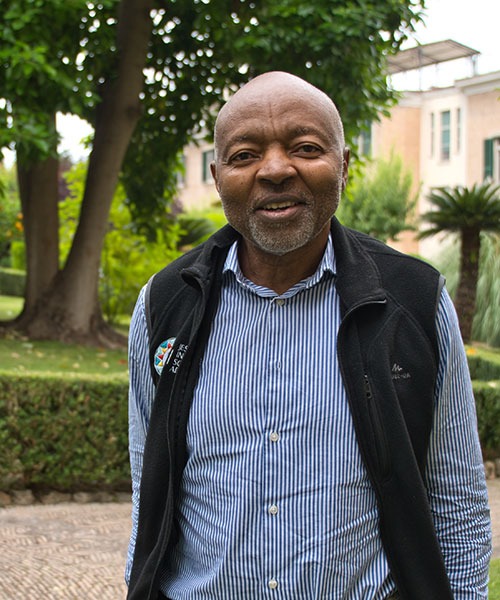
In 2012, Father Fratern was appointed General Councillor and Regional Assistant for Africa and Madagascar at the General Curia in Rome by Father General Adolfo Nicolás, SJ. He served under two Superiors General, accompanying Jesuit provinces and contributing to decisions concerning formation, personnel and apostolic priorities. During the 36th General Congregation in 2016, he was elected Assistant ad Providentiam, entrusted with supporting the Superior General and contributing to the good governance of the Society of Jesus. He also served as Pan-African Chaplain of the International Movement of Catholic Students (IMCS/MIEC) Pax Romana and later as its International Chaplain from 2016 to 2019. In recognition of his contribution to Jesuit higher education, he received the St. Peter Canisius Medal in 2025.
A Legacy Beyond Institutions
According to Father Kiprono D. Ngetich, SJ, Socius of the Eastern Africa Province, Father Fratern’s legacy extended beyond the institutions he helped establish and the leadership positions he held. He was a humble, gentle and attentive listener who made time for people despite his demanding responsibilities. His calmness, discretion, humour and willingness to assist others strengthened fraternity and trust among his companions.
For Hekima University College, his life holds particular significance. He was among the pioneers who helped shape the institution’s early history as a theological college and later contributed to its academic and apostolic development. From theological formation and refugee ministry to provincial leadership and continental collaboration, Father Fratern consistently opened doors for others. His pioneering spirit was expressed not only in building institutions but also in forming people, strengthening communities and preparing the ground for future generations.
He came as a pioneer at Hekima, became a pioneer in the Society of Jesus and leaves behind a legacy that will continue to inspire the Jesuit mission in Africa and beyond.
May he rest in the peace of Christ, whom he served with generosity and fidelity.
By Pamela Adinda, HUC Communications & International Office Coordinator
