
Public Lecture • School of Arts and Science
A Conversation About Christianity’s Changing Centre
On Thursday, 24 September 2026, Hekima University College’s School of Arts and Science hosted a public lecture on “Religious Demography and the Future of Christianity in Africa.” The lecture brought together students, faculty, staff and members of the wider public, with participants attending both in person and online.
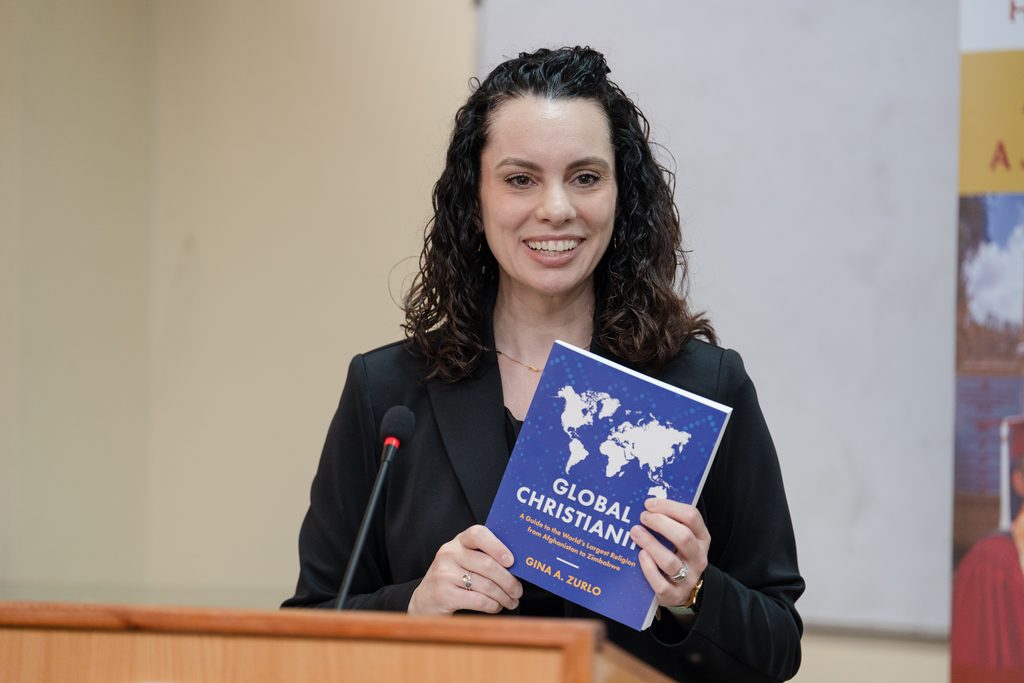
The guest speaker was Dr. Gina A. Zurlo of Harvard Divinity School, a senior researcher and lecturer in World Christianity and an editor of the World Christianity Database. Her research interests include World Christianity, the sociology of religion, history and gender studies. The event was organized through the School of Arts and Science under the leadership of its Dean, Prof. Ludovic Lado, SJ, and moderated by Dr. Antonio Egan, SJ.
Why Religious Demography Matters
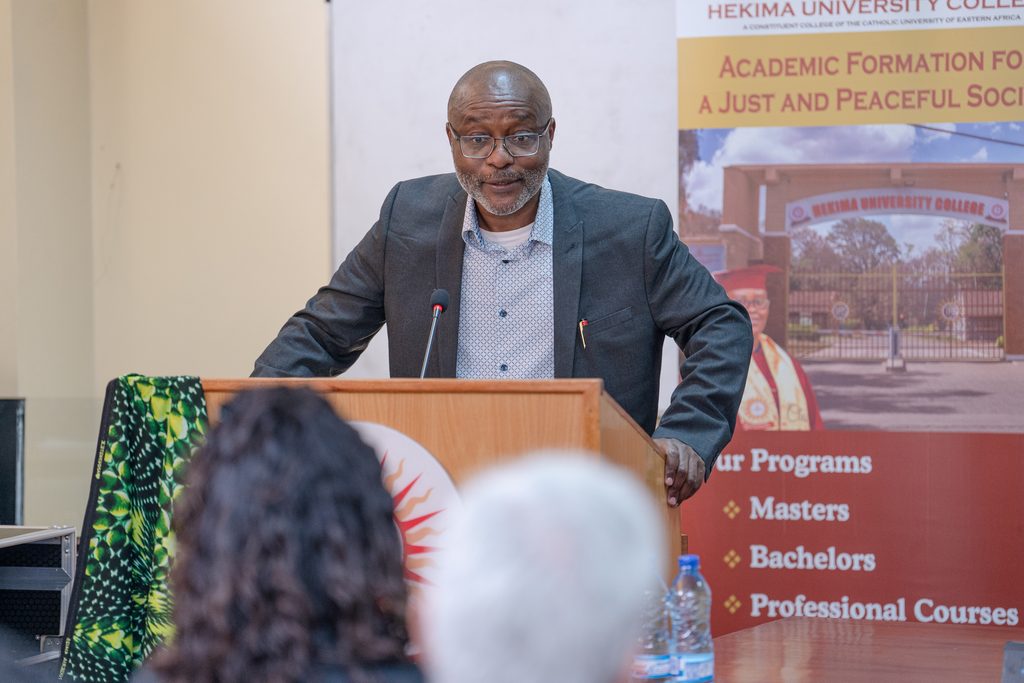
In his opening remarks, Prof. Ludovic Lado, SJ, situated the lecture within Hekima’s mission as a Jesuit institution of theology and international peace studies. He emphasized the importance of demographic data for strategic planning and invited the Hekima community to consider what Africa’s growing share of the world’s Christian population means for the present and future of Christianity.
The lecture therefore went beyond simply asking how many Christians there are. It raised questions about where Christianity is growing, how its centre of gravity is shifting, and what these demographic changes may require of theological education, ministry and Christian communities in Africa.
From Kenya to the World
Dr. Zurlo began by tracing the history of the study of global Christian demography, highlighting the work of David Barrett. According to the presentation, Barrett’s research began in Kenya after he was asked to investigate changes among Christians and later expanded across East Africa, sub-Saharan Africa and the wider world. His work eventually contributed to the development of the World Christian Encyclopedia and to the broader field of religious demography.
Dr. Zurlo also explained that religious demographic research draws on sources such as government censuses, social-science surveys and information from religious communities. She noted an important limitation: demographic studies often count people according to how they identify themselves religiously, which does not necessarily indicate the frequency or depth of religious practice.
The Global Shift in Christianity
A major part of the lecture examined the changing geographical distribution of Christianity. Dr. Zurlo presented historical and projected demographic trends showing a movement in Christianity’s centre of gravity from Europe and North America towards the Global South.
According to the data presented, the proportion of Christians living in the Global South has increased substantially over the past century. Africa has become an increasingly important centre of global Christianity, and the presentation highlighted the Democratic Republic of Congo as a country whose Christian population is expected to become especially significant in the coming decades.
For Dr. Zurlo, these changes require the Church to ask not simply where Christians are located, but what these demographic developments mean for theological formation, leadership, ministry and the future shape of World Christianity.
Questions Facing African Christianity
Dr. Zurlo identified several issues that African Christianity will need to confront as its demographic importance continues to grow.
First, she highlighted the need for indigenous theological training. As Christianity becomes increasingly centered in the Global South, theological education must respond to local cultural and ministerial realities rather than relying exclusively on models developed elsewhere.
Second, she highlighted the climate crisis and the need for Christian theology and practice to engage ecological responsibility. Third, she drew attention to poverty, healthcare and economic inequality and the questions these raise for Christian communities. Finally, she highlighted gender, noting women’s significant contribution to Christianity and the need for women and men to work together.
An Interactive Conversation
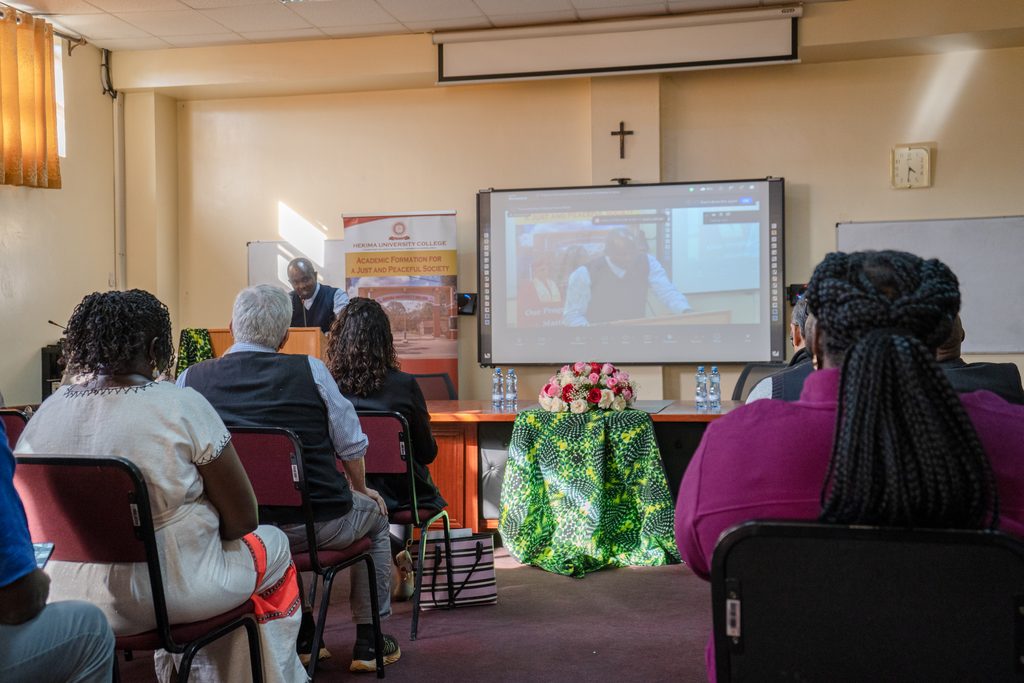
The presentation was followed by an extended question-and-answer session. Participants raised questions about Christianity and socio-economic development, the continuing strength of Christianity in the Pacific Islands, Africa’s contribution to peace and social cohesion, the possibility of secularization, clergy migration, the distinction between being spiritual and being religious, the demographic significance of young people, and gender dynamics within Christianity.
Responding to questions about religion and socio-economic conditions, Dr. Zurlo cautioned against overly simple explanations of the relationship between religious commitment and development. On secularization, she noted that there is not yet enough data to determine whether Africa will experience secularization in the same way as the West. If secularization occurs, she suggested, it may take an African form rather than simply reproducing Western patterns.
Her comments on young people were particularly relevant to the Hekima community. She described Gen Z as a creative generation that is helping to redefine what it means to be religious and emphasized the importance of listening to young people rather than assuming that older models fully capture their religious experience. On gender, she emphasized the significant historical and contemporary contribution of women to Christianity and the need for women and men to work together.
From Numbers to the Kind of Christians Africa Is Forming
The lecture concluded with a vote of thanks from the Principal of Hekima University College, Rev. Dr. Marcel Uwineza, SJ. He expressed gratitude to Dr. Zurlo and acknowledged the participation of the College’s leadership, faculty, staff and students, both in person and online.
Reflecting on the significance of the presentation, the Principal noted that demographic numbers can show where Christianity is growing, declining or changing, but numbers alone cannot explain what Christianity contributes to people’s lives. He therefore shifted the conversation from the question of how many Christians Africa will have to the deeper question of what kind of Christians Africa is forming.
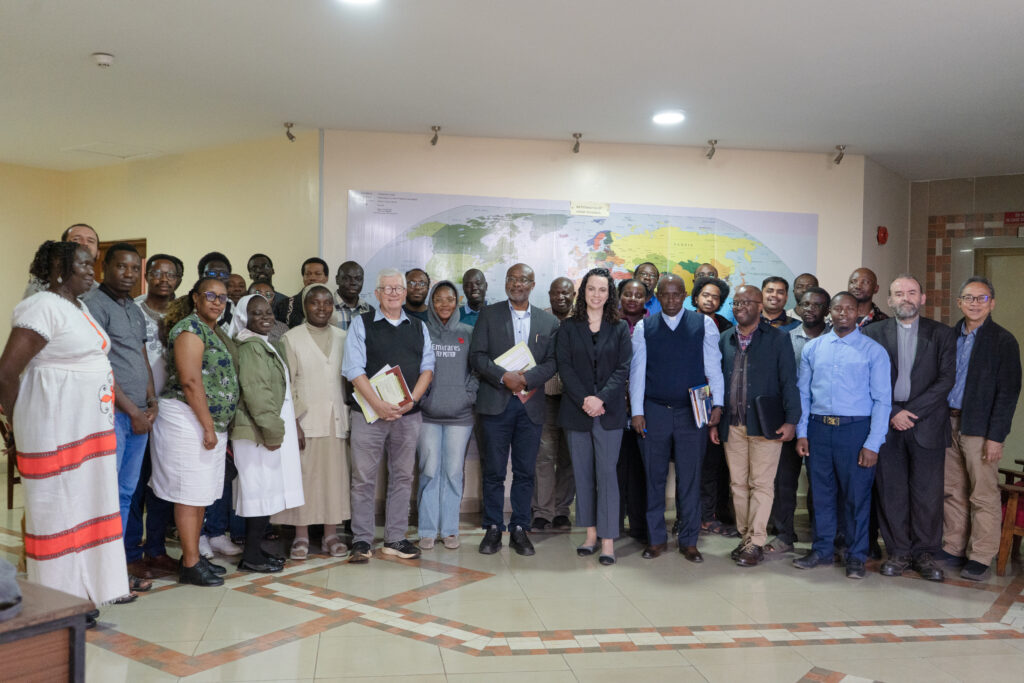
The event concluded with a final prayer, group photographs, refreshments and networking.
Significance for Hekima and the Wider Church in Africa
For Hekima University College, the lecture offered an opportunity to connect demographic research with theological education, pastoral responsibility and the future of the Church in Africa. Demographic shift is more than a statistical development: it represents a transition in which African Christians are increasingly moving from being primarily recipients of missionary activity to becoming significant leaders and contributors within global Christianity.
There are several implications for Hekima University College, and this requires urgent actions:
- Develop and teach indigenous, African-centered theological frameworks at Hekima.
- Equip Hekima’s students to become future impactful missionaries and educators on a global scale.
- Join faith with direct action by addressing Africa’s pressing challenges, including peacebuilding and climate change.
- Remain in constant reflection on how Africa could prepare to accommodate such an important number of Christians in the future and prevent any form of secularization which distorts the Christian message.
- Pave the way for eradicating poverty across Christian-majority countries by facilitating access to education and healthcare facilities, promoting good governance, and fostering economic empowerment.
By Brice Alain Kabore
